
Visible growth
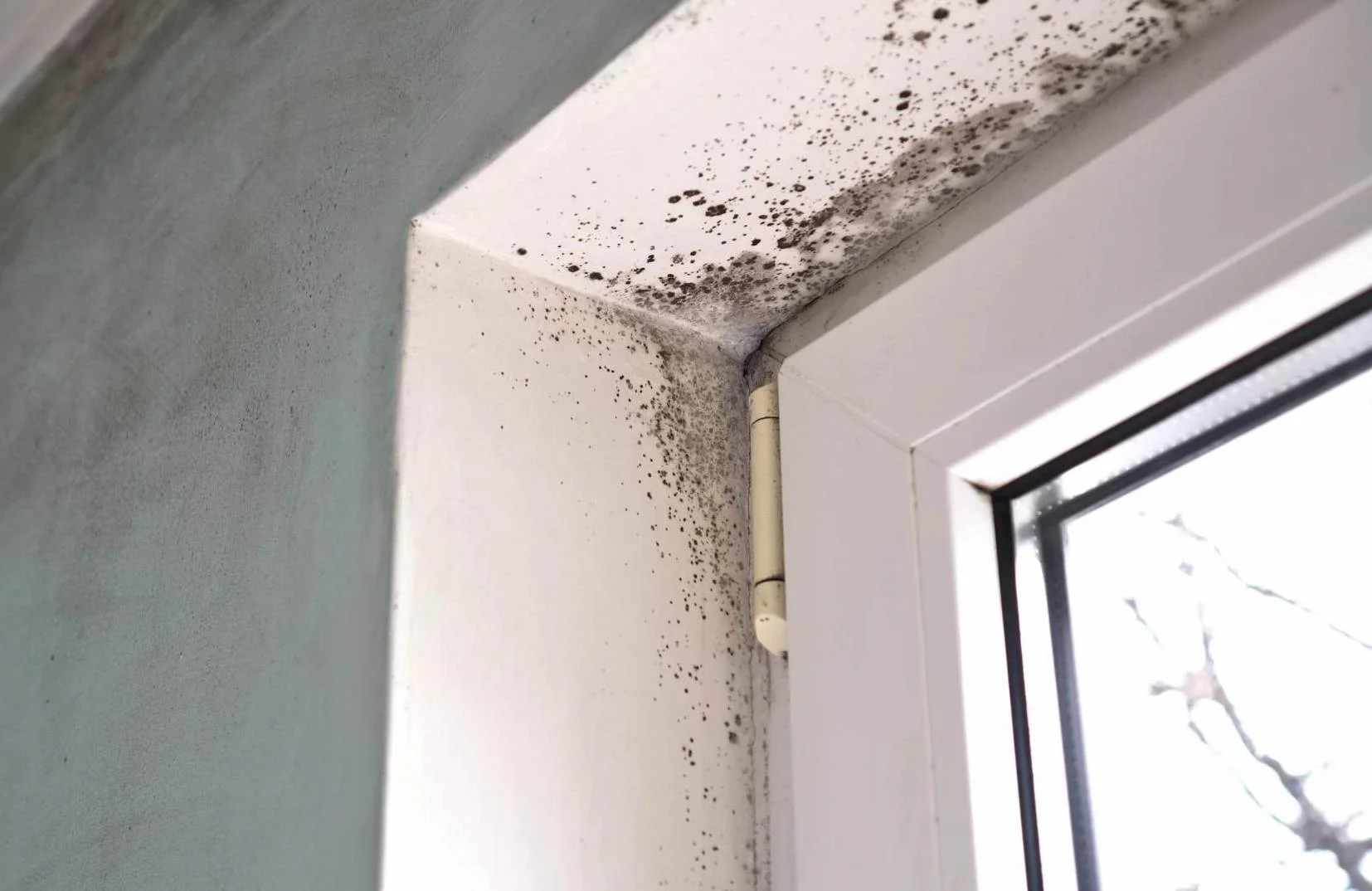
Dark, green, white or fuzzy material on drywall, wood, ceilings, window frames or stored contents should be assessed without disturbing it.
 IICRC Certified
 VRCA Certificate
Professional property assessment • West Vancouver
Understand what is happening in your property, where moisture may be entering and what practical action should come next.
Start with the source
A useful mold inspection looks beyond a visible spot on a wall. Mold grows where materials remain damp, so the inspection should consider the moisture source, the affected materials, the size of the concern and conditions in nearby spaces. This helps property owners make decisions based on evidence instead of guesswork.
West Vancouver homes and buildings face persistent rain, ocean influenced humidity, shaded exterior walls and complex hillside drainage. Roof leaks, plumbing failures, window condensation, foundation moisture and poor ventilation can each create different patterns. Our inspection process considers these local building conditions while focusing on what is actually present at your property.
The goal is to explain the concern in plain language. You receive clear observations, photographs when appropriate and practical next steps. Testing may be recommended when it answers a specific question, but it is not automatically added when visual and moisture findings already provide enough direction.
When to arrange an inspection
Some mold concerns are obvious. Others begin with an odour, recurring condensation or a stain that returns after cleaning. An early inspection can help define the affected area before repairs begin.
Book an assessment when you notice one or more of the following conditions.
Dark, green, white or fuzzy material on drywall, wood, ceilings, window frames or stored contents should be assessed without disturbing it.
A musty smell may point to damp materials inside a wall, ceiling, cabinet, crawl space or other concealed area.
Leaks, floods and overflowing fixtures can wet materials beyond the area that is immediately visible.
Frequent moisture on windows, exterior corners or bathroom surfaces may support mold growth and indicate a ventilation or temperature issue.
If symptoms appear connected to time spent in a building, a property inspection can document environmental conditions for discussion with a qualified health professional.
An inspection can clarify suspicious staining, previous leak areas and moisture conditions before a real estate decision.
A clear local process
The scope is matched to your concern, the property and the areas that can be safely accessed.
We review what you have seen or smelled, when it began, known leaks, previous repairs and any areas that cause particular concern.
Visible materials, plumbing areas, exterior walls, ceilings, windows and other relevant locations are examined for signs of moisture and growth.
Moisture readings and building observations help identify damp materials and possible pathways without opening finished surfaces unnecessarily.
Air, surface or material sampling may be useful when identification or comparison will change the decision. Testing is explained before it is recommended.
You receive a clear summary of observed conditions, important limitations, likely moisture sources and sensible priorities for correction.
Information you can use
Remediation should be based on the location and extent of affected material. Removing finishes too early can spread particles, erase useful evidence and create unnecessary repair costs. A careful inspection helps define the work area and identifies moisture corrections that should be included in the plan.
Inspection and remediation serve different purposes. The inspection documents current conditions and helps establish scope. Remediation removes affected materials or cleans suitable surfaces under controlled conditions. Post remediation verification may then be used to assess whether the agreed work has been completed.
Our recommendations stay proportional to the evidence. A small surface issue caused by condensation may need a different response from widespread impact after a roof or plumbing failure.
Choose the right assessment
Different building areas create different moisture patterns. Explore the inspection service that best matches your concern.
Inspect roof sheathing, ventilation, condensation and possible roof leaks.
Review damp framing, drainage, exposed soil and foundation moisture.
Document unit conditions while considering neighbouring and common building systems.
Assess dark growth using moisture and material evidence rather than colour alone.
Plan an organized assessment for occupied and managed properties.
Use targeted sampling when laboratory information will answer a useful question.
West Vancouver coverage
We provide mold inspection in West Vancouver neighbourhoods from Ambleside and Dundarave to Caulfeild, Eagle Harbour, Horseshoe Bay and the British Properties. Local terrain, tree cover, building age and exposure can influence where moisture collects and how quickly materials dry.
Properties near the waterfront may experience different humidity and exposure conditions from homes at higher elevations. Older houses can have additions or concealed assemblies from several renovation periods, while newer homes may include complex envelopes and mechanical systems. Each inspection begins with the actual building rather than a standard assumption.
Service is available for detached homes, townhomes, condos, rental properties, strata buildings and commercial spaces. Access and reporting can be coordinated with owners, tenants, property managers and other authorized representatives.
Questions from property owners
The time depends on property size, access and the number of areas involved. A focused inspection may be shorter, while several floors, attics, crawl spaces or commercial areas require more time.
No. Testing is recommended when results will help answer a specific question or guide a decision. Many visible moisture concerns can be assessed without routine sampling.
An inspection can identify moisture patterns and signs that suggest concealed impact. No method can confirm every hidden condition through finished materials. Selective opening may be recommended when the evidence supports it.
Avoid disturbing or painting over the area before it is assessed. Undisturbed conditions and photographs of earlier changes can provide useful information.
Yes. A mold focused inspection can investigate concerns identified during a general home inspection or areas with staining, odours, past leaks or elevated moisture.
The findings help determine whether moisture correction, cleaning, removal, further testing or specialist review is appropriate. The recommended next step depends on the evidence at the property.
West Vancouver mold help
Call to explain what you have noticed, or use the request form and include the location of the concern.